Music
Associate in Science (A.S.)
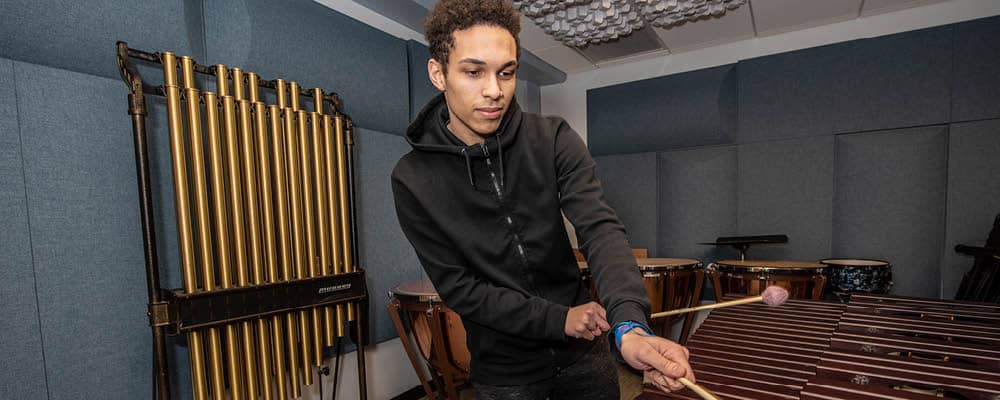
Develop your musical talents and share your creative vision with the world. Acquire the music skills you need to continue your training at a four-year school or conservatory with this transfer program. With no audition required, we help every musician reach their goals.
Career Outlook: Music Education and Performance
Transform your passion for music into a career in performance, teaching, composing, or other related work. The U.S. Bureau of Labor Statistics expects the demand for music industry jobs to grow 9% by 2030, which is faster than the overall job growth rate. The median annual wage for music directors and composers was $49,130 in 2021 and $79,640 for postsecondary teachers.
A.S. Program Overview
Learn about music theory, history, and composition in small classes taught by experienced musicians. Connect with our music recording technology students to create albums, record live sessions, and develop creative projects together. You'll study music from different time periods, practice your keyboard skills, and train your ear to identify pitch, melody, rhythms, and more.
By the end of the program, you'll be ready to transfer to a four-year school and further refine your area of expertise.
Hands-On Music Education
Learn to play an instrument of your choice with a focus on the genres and musical styles you love. Strengthen your musical talent through private lessons, group ensembles, and public performance opportunities. Our four-semester sequence of applied music electives ensure you receive the structure and support to grow as a well-rounded musician.
Student Performance Opportunities
Take your performance to the next level with our state-of-the-art music facilities. Learn in our auditorium, rehearsal hall, music classrooms, applied music studios, practice rooms, MIDI keyboard laboratories, and five world-class recording studios.
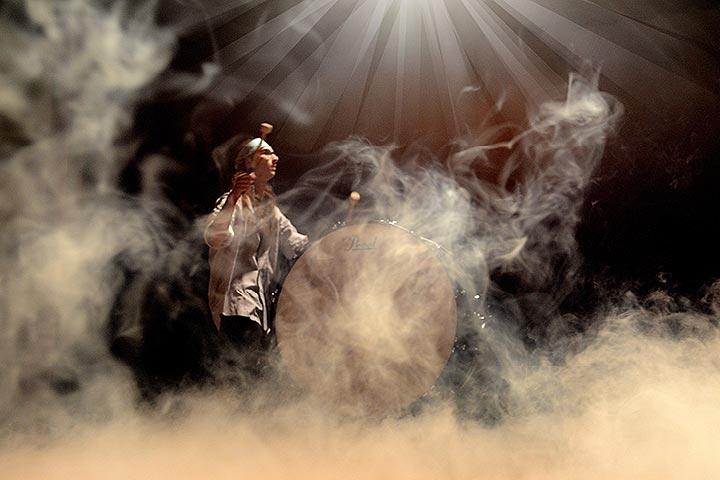
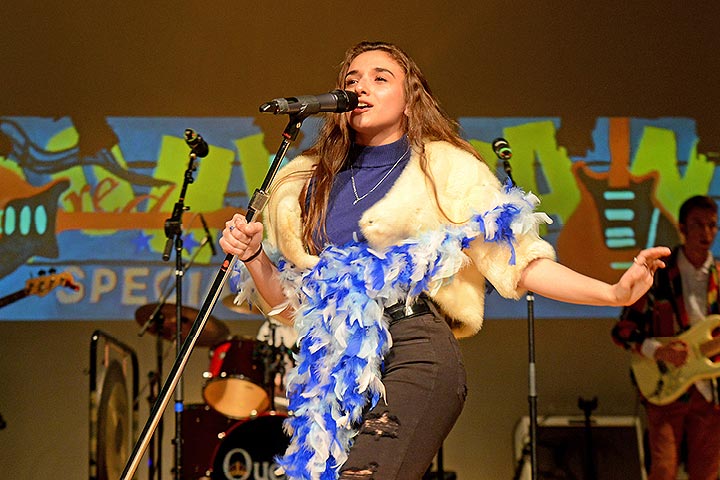
Perform in front of live audiences as part of a student ensemble. Join Finger Lakes Chorale, College Singers, Finger Lakes Camerata, Jazz Ensemble, Percussion Ensemble, or Guitar Ensemble, among others.
FLCC Music Performance Highlights
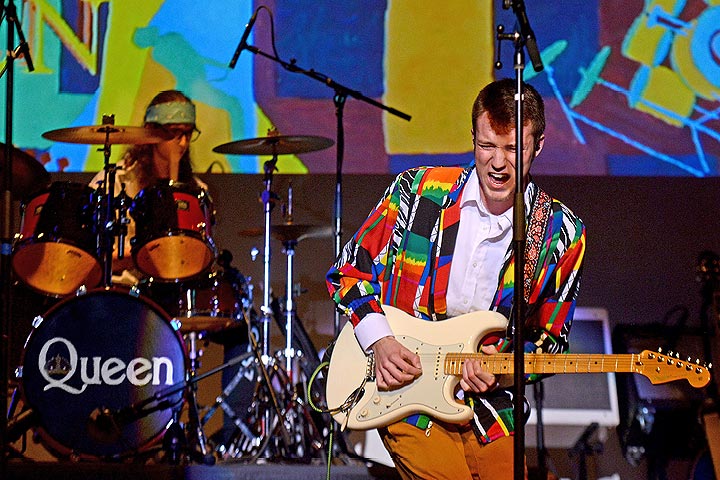
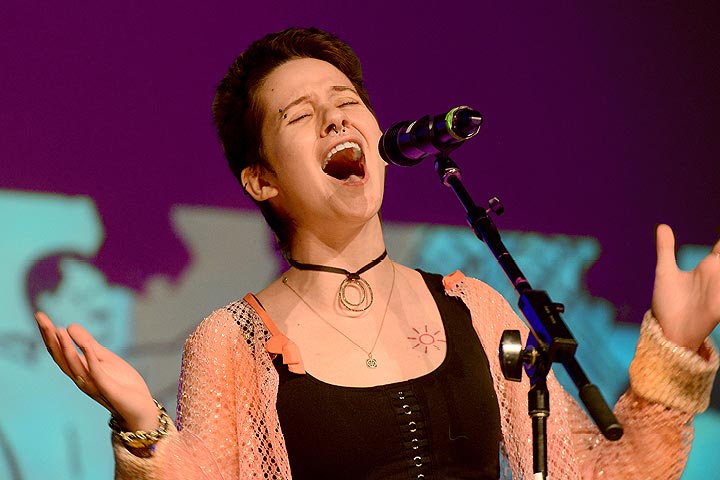
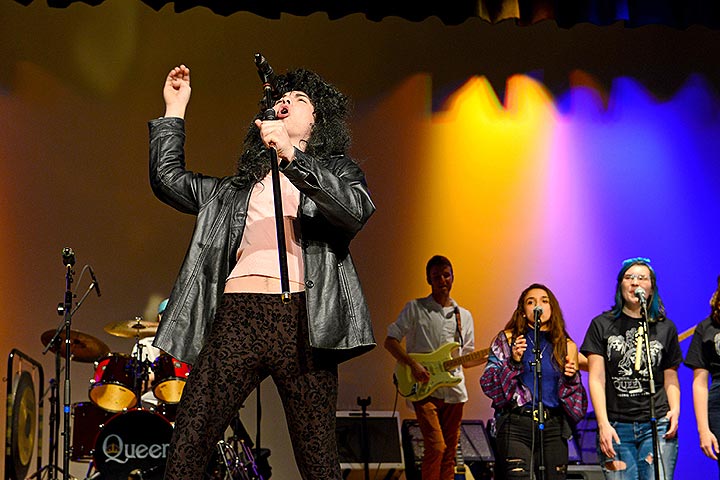
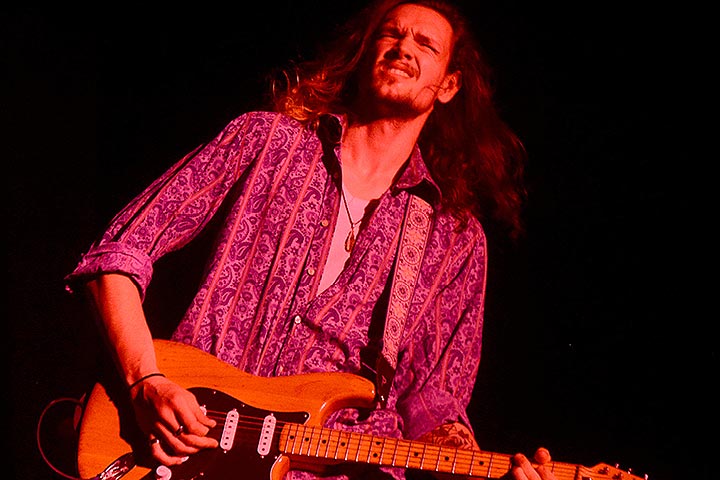
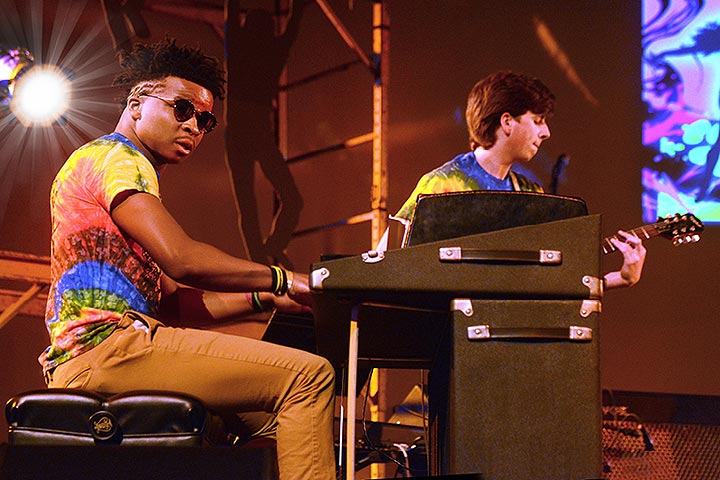
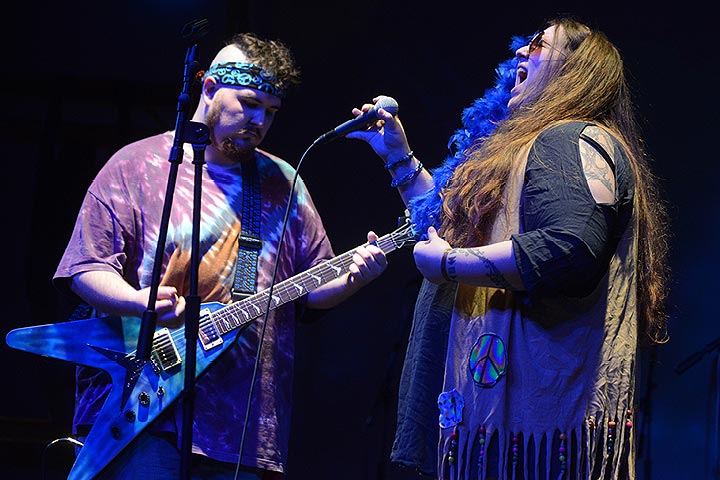
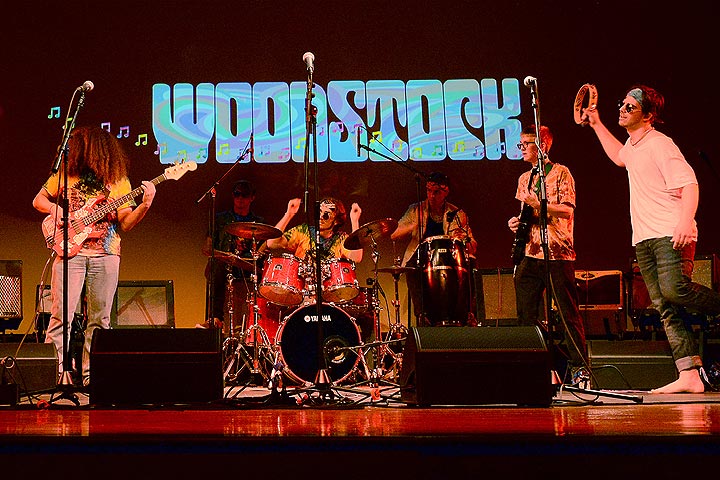
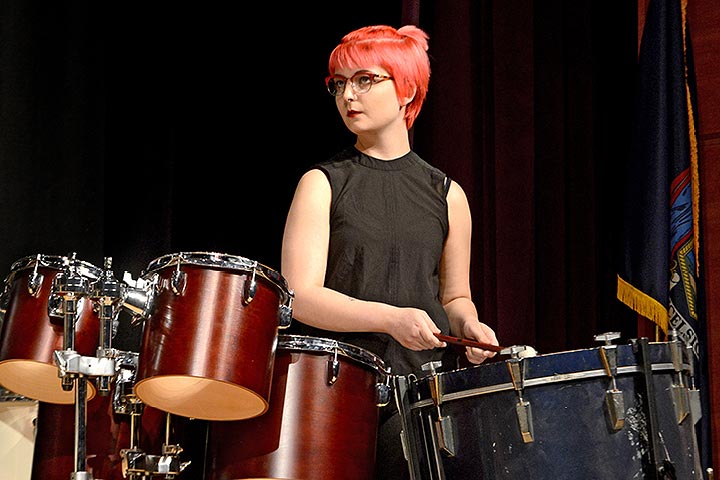
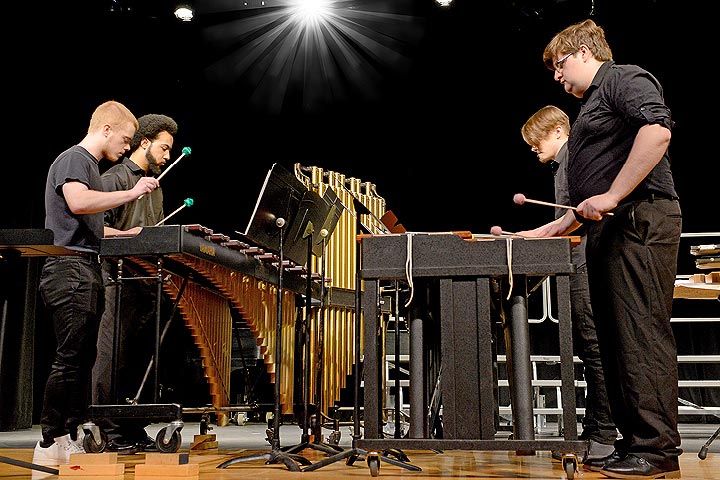
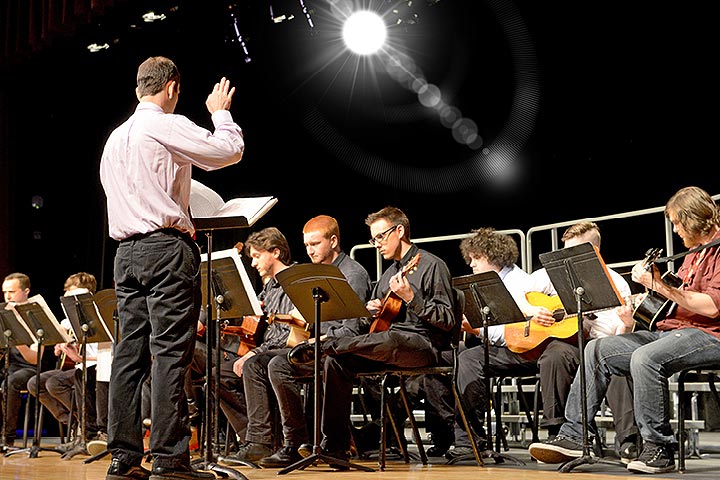
As you enter the program, you'll take a music theory placement exam that helps us determine your best course mix for the first semester. There is no audition required to enter the program.
Prepare for the Music Theory Placement Exam
Study for your music theory placement exam with our sample questions . You'll be tested on your ability to read sheet music, identify major and minor keys, interpret time signatures, and other foundational music skills.
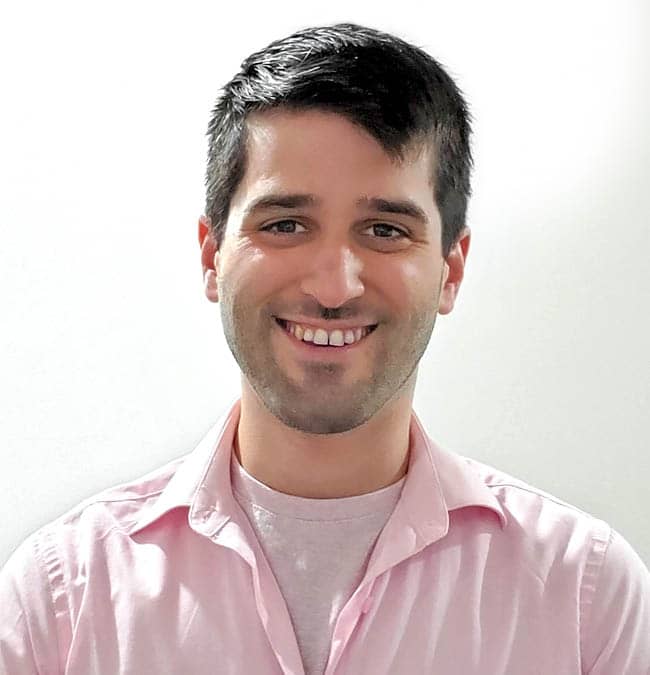
"The Music program had such a great community. Students would meet up and play. The person who writes song lyrics would talk to the person who plays the guitar and so on. Someone else would perform a little piano piece while another student edited audio on Pro Tools. We would just hang out and talk about music — then put on a concert at the end of the semester. It was so much fun."
— Evan Williams, '10
A.S. Program Outcomes
Program Learning Outcomes
Upon completion of this degree program, students will be able to:
- Deploy theory for the analysis of tonal and post tonal procedures, styles, and idioms as they appear in representative pieces of standard Western repertory.
- Perform individually, as well as in ensembles.
- Integrate connections between music history, theory, and literature for the purpose of an informed discussion or performance.
Seamless Transfer Opportunities
Graduates of this program have transferred into music programs at a wide variety of four-year institutions, such as:
- Berklee College of Music
- Buffalo State College
- Carnegie Mellon University
- Eastman School of Music
- Ithaca College
- Nazareth College
- Peabody Institute of The Johns Hopkins University
- SUNY Fredonia
- SUNY Geneseo
- SUNY Potsdam
- University at Buffalo
Four-Year Career Pathways
Music careers vary widely, and your decisions about how and where to continue your studies will be shaped by your career goals. Many professional musicians perform part-time while also working full-time in a related field, such as music education or music therapy.
Upon earning a bachelor's degree in music, you will be ready for a variety of careers, including:
- Composer
- Director
- Music Business
- Music Teacher
- Music Therapist
- Private Studio Instructor
Graduates also pursue full-time careers in other industries and incorporate music into their personal lives — from playing in bands on the weekends to using musical principles in their daily work.
Low-Cost Tuition and Scholarship Opportunities
Earn a quality education at an affordable rate. With our low cost-per-credit and general scholarship opportunities, you can maximize your potential with minimal debt. 80% of students are awarded scholarships or financial aid that help with the cost of college.
As a music student, you may also be eligible for program-specific scholarships, including:
- Aldo F. and Anne J. Fioravanti Scholarship
- Dr. A. John Walker Chorale Music Award
- Dr. Charles J. Meder Scholarship for the Arts
Faculty
Our Music faculty bring a wide range of talent and real-world experience. They hold master's and doctorate degrees from institutions such as Eastman School of Music, SUNY Buffalo, and Ithaca College.
Faculty members are classically trained and practicing musicians. Many are working composers with a portfolio of commissioned work. Others have professional experience as audio engineers and working with musicians across the country.
Meet Music Recording Technology Faculty
Explore Your Career Options
Map out a path toward your future career, and discover opportunities related to this area of study.